Sweat, Joints and Judgement: Training Through Menopause on Your Terms
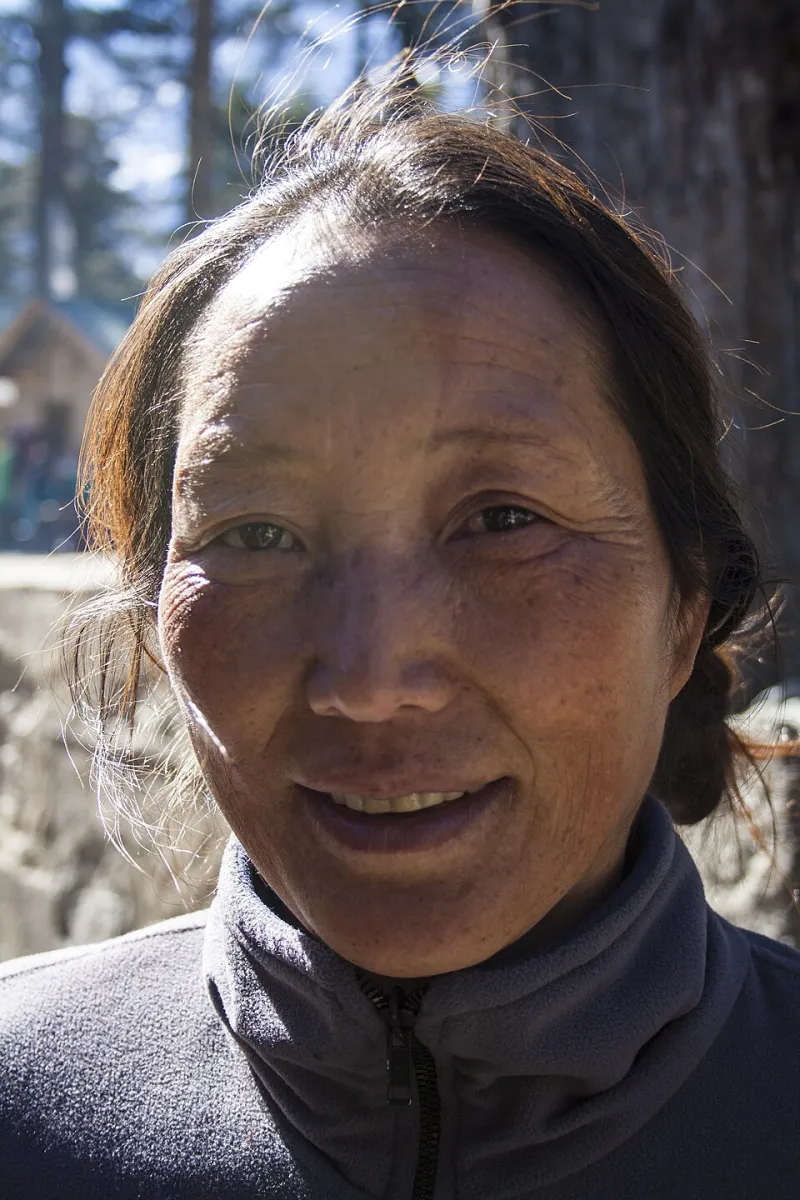
Photo: Indrajit Das, CC BY-SA 3.0, via Wikimedia Commons
Menopause is not a niche fitness issue. Most women in the UK will go through it, and plenty will do so while trying to learn something physical, useful and occasionally loud. Yet self-defence classes often run on a template built for a 25-year-old with predictable energy and forgiving joints. The good news is that self-defence is unusually adaptable. The core skills — reading space, setting a boundary, using your voice, choosing an exit — do not require a personal best. They require repetition, intent and a bit of honesty about what your body is doing this week.
The Class Doesn't Need to Change — Your Route Through It Does
Walking into a leisure centre or a martial arts club at 52 is not the same as walking in at 22. That is not a defeatist statement; it is a planning statement. Before your first session, have a short conversation with the instructor. Not a confession, not a medical history — a practical brief. Explain that you may need to step out, pause a drill or swap a high-impact movement for a standing version. Ask where the toilets are, whether there is a quieter corner to reset, and whether water breaks are built in or self-directed.
You are not asking for a pass. You are asking for the same thing any sensible athlete asks for: a route that matches the current conditions. A good coach will hear that and adjust. A coach who treats it as an inconvenience has told you something useful about the environment.
Heat, Flushes and the Exit You Actually Need
A hot flush in the middle of pad work can feel alarming — heart racing, skin prickling, focus scattering. It is easy to mistake it for panic, and easy to let it end the session. Have a rehearsed response ready. Something plain, like: 'I need thirty seconds.' Step to the edge of the room, sip water, slow your breathing, then rejoin. You are not leaving the class; you are changing the channel.
Drill the pause itself. In partner work, practise saying 'reset', stepping back, shaking out your arms and re-entering. This is not a menopause-only skill. Being able to interrupt a drill, reset your stance and come back is exactly the sort of control you want in a real situation. It also teaches your training partner that pausing is normal, not dramatic.
Practically: wear layers you can shed, keep a cold drink within reach, and choose breathable kit over stiff uniforms if your club allows it. Small fixes, fewer interruptions.
Joints, Grip and the Low-Impact Version That Still Works
Joint pain and stiffness can make the usual carousel of burpees, deep stances and repeated falls feel like a bad idea. They do not make striking, voice work or boundary-setting impossible. Swap the high-impact footwork for a staggered stance and slow shadow work. Use focus pads rather than heavy bags if wrists and shoulders complain. Train palm heels and elbows at fifty per cent power with full intent, rather than hammering a bag until your grip gives out.
If you have concerns about bone density, talk to your GP before starting fall-heavy or ground-based work. That is not fearmongering; it is basic risk management. Ask your instructor for a standing-only version of floor craft drills, or for extra mat time with a partner who understands the pace. Grip strength can be built with a rolled towel and a few slow squeezes, not a death grip on a stranger's sleeve.
Drills You Can Run When Energy Is a Lottery
Some weeks you will arrive ready to work. Other weeks you will arrive running on three hours of broken sleep and a warm flush. Both versions count. Keep a short menu of low-energy drills that still build useful skills.
The three-exits drill takes ten minutes. Walk through the room and identify three ways out. Say one boundary line out loud at each exit. It sounds simple because it is. It also builds the habit of looking for options before you need them.
The stop, step, speak drill needs a partner and six slow repetitions. Your partner walks towards you at half speed. You put a hand up, step off the line, and say your line — 'That's close enough' or 'Back up, please.' No contact, no shouting, just clean structure. Repeat until the step feels automatic.
When energy is low, shorten the round rather than cancelling the session. Five focused minutes of stance, voice and exit work is a better investment than twenty minutes of half-hearted bag work.
Scripts for the Changing Room and the Coach
Advocating for yourself in a training environment can feel awkward, especially if you were raised to be polite and undemanding. Borrow these lines until you have your own.
Before class: 'I am managing menopause symptoms. I may need to pause or step out. I will use the word reset and rejoin. I do not need the whole class modified — just the option.'
During a drill: 'Reset — give me a minute.' 'Can we run this standing?' 'I will partner with someone at the same pace.'
If a coach pushes you to keep going: 'I am training the skill, not the sweat. I will keep the intent.'
To a partner: 'I need to go slower on the grip. Tell me if I am too close.'
None of these are rude. They are clear. Clear is kind — to your body and to the people training with you.
Progress Is Not a Straight Line — Track What Matters
Menopause symptoms fluctuate. So will your training. Rather than measuring progress in calories or bruises, track the useful stuff: how many times you used your voice, how quickly you found an exit, how confidently you asked for space. A slower round with better structure is progress. A shorter session where you practised your boundary line is progress. Coming back after a bad week is progress.
Speak to your GP about symptoms that are affecting daily life, including training. That is not a sign of weakness; it is the same as getting a niggle checked before a race. Self-defence is a long game, and you are allowed to play it at your pace.
The Bottom Line
Menopause does not make you less capable. It changes the recovery window and asks for a bit more planning. The skills you are building — voice, space, exits, boundaries — are not dependent on perfect energy or pain-free joints. They are dependent on repetition and belief. Adjust the route, keep the intent, and let the class meet you where you are.