The Quiet Line: Rehearsing Silent 999 So It’s There When Your Voice Isn’t
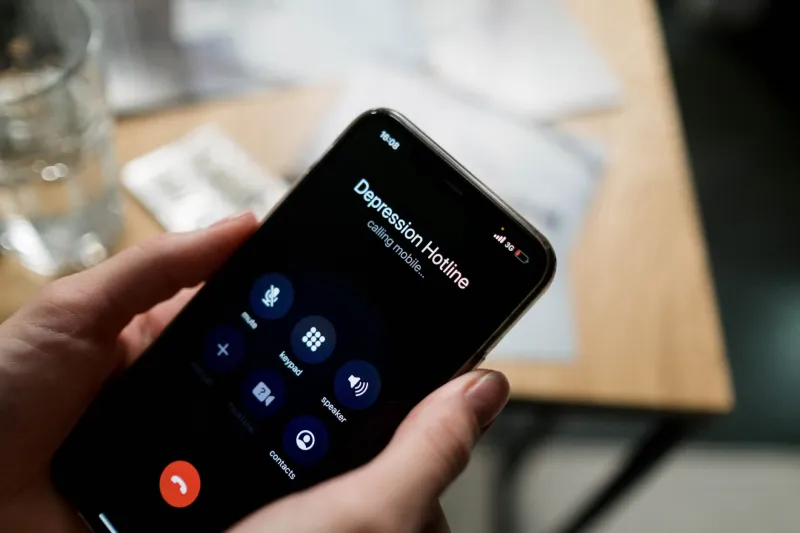
Most of us know 999 as a loud thing: a shouted address, a panicked description, a voice that has to hold steady while everything else doesn’t. Silent 999 is the other version. It’s the UK system for moments when making a sound could make things worse, and it’s worth knowing before your hands are shaking.
What the silent solution is—and isn’t
When you ring 999 and can’t speak, or it isn’t safe to, don’t hang up. After a moment you should hear an automated message. It asks you to press 55 if you’re in a genuine emergency and can’t speak. Pressing 55 tells the system you need police, and the call should be put through.
It is not a secret code that works on every phone in every country, and it isn’t a replacement for speaking if you can. It’s a bridge. If you can safely say even a few words, do that—real information helps the call handler far more than a silent line. If you can safely leave, leave. Silent 999 is not a force field; it’s a way to ask for help without using your voice.
When it makes sense
Think of it as a tool for a narrow set of situations: someone in the house, a confrontation where your voice would be the spark, a journey where you’re being followed and don’t want to announce that you’re calling. It can also be useful if you’re injured or unable to make clear speech.
It doesn’t help if you have no signal, if your phone is dead, or if you’re somewhere the keypad is out of reach. And it doesn’t replace getting to a safer place if that’s possible. The ideal is always to speak, leave, or get to people—silent 999 is for when those options are blocked or would put you at more risk.
Before you need it: phone prep in 20 seconds
You don’t need a special app for this. You need to know how to get to the emergency dialler quickly, even from a locked screen. On most modern phones you can open the emergency call screen without unlocking. Find that route now, while you’re calm, and then leave it alone.
A few small things help:
- Keep your phone charged when you can, especially on nights out or late journeys.
- Know whether your location services are on. They can help, but don’t assume they’ll do the explaining for you.
- Add emergency contact and medical info to your lock screen if your phone supports it.
- Never dial 999 to test the system. It isn’t a practice line, and hoax calls waste real resources.
- Decide now that if you hear a recording, you stay on the line. The urge to hang up when a robot starts talking is strong. Don’t.
A monthly drill that stays low-key
Set a recurring reminder once a month for three minutes. Not a doom ritual—more like a fire drill with tea afterwards. The aim is to make the sequence boring enough that your fingers know it.
- From your lock screen, open the emergency dialler.
- Type 999 into the keypad and then delete it. Do not press call.
- Say quietly to yourself: “If I can’t speak, I stay on the line and press 55.”
- Tap 55 on the keypad, by feel if you can, so your hand knows where the numbers sit.
- Check your battery, location settings and lock-screen emergency info.
- If you live with someone, tell them you’re doing a phone drill—not a real emergency—so nobody panics.
That’s it. You’re not trying to memorise a script. You’re trying to remove the “what do I do now?” pause that panic loves to fill.
What happens after you press 55
Expect the automated message to hand you through to police. You may hear a voice. If you still can’t speak, listen for instructions. You can tap the phone, cough, or make whatever small sound is safe to signal that you’re there. Keep the line open. Don’t hang up just because it’s quiet.
If it becomes safe to talk, say what you can. Location first, then what’s happening. If you can’t give an address, describe landmarks, shop names, a bus stop, anything that narrows it down. If the call drops, call again if it’s safe to do so.
And if you can’t reach the keypad at all, stay on the line and make noise if that’s safe. The handler may not know what they’re hearing, but a live line is better than a dead one. If you can’t call at all, the emergency SMS service exists in the UK, but it requires registration—it isn’t a default text-to-999 option. Check it now if it’s relevant to you, rather than assuming it’s there.
The part nobody tells you: the aftermath
Using silent 999 is still a 999 call. Adrenaline doesn’t check the method. You might feel wobbly, embarrassed, or weirdly flat afterwards. Tell someone. Write down what happened while it’s fresh. And don’t grade yourself on whether you pressed perfectly. The point was help, not performance.
At Her Defence, we’re not trying to make you live in fear. We’re trying to make the unfamiliar familiar. The quiet line is there. A monthly tap-through means your fingers know the route, even when your voice has gone missing.